

As AI-Driven Tools for Managing Crohn's Symptoms takes center stage, this opening passage beckons readers into a world crafted with good knowledge, ensuring a reading experience that is both absorbing and distinctly original.
Exploring the intersection of advanced technology and healthcare, AI-driven tools offer innovative solutions for individuals battling with Crohn's disease.
Understanding Crohn's Disease
Crohn's disease is a chronic inflammatory condition that primarily affects the digestive tract. It can lead to inflammation and damage in any part of the gastrointestinal system, from the mouth to the anus.
Common Symptoms of Crohn's Disease
- Abdominal pain and cramping
- Diarrhea
- Weight loss
- Fatigue
- Bloody stools
Challenges Faced by Individuals with Crohn's Disease
- Managing symptoms that can fluctuate in intensity
- Nutritional deficiencies due to malabsorption
- Emotional impact of living with a chronic condition
- Side effects of medications used to control inflammation
Overview of AI-Driven Tools
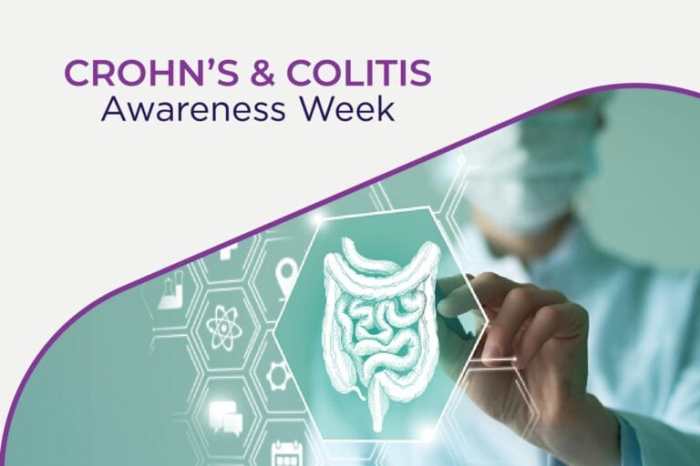
AI-driven tools in healthcare refer to technologies that utilize artificial intelligence algorithms to analyze data, make predictions, and provide personalized recommendations for managing health conditions. These tools can significantly enhance the efficiency and effectiveness of healthcare delivery by leveraging large datasets and advanced analytics.
AI in Managing Chronic Conditions like Crohn's Disease
Artificial intelligence can be instrumental in managing chronic conditions such as Crohn's disease by analyzing patient data, identifying patterns, and predicting disease progression. AI algorithms can help healthcare providers in making more accurate diagnoses, designing personalized treatment plans, and monitoring patients' progress over time.
- AI-powered symptom trackers: These tools use machine learning algorithms to track and analyze symptoms reported by patients with Crohn's disease. By identifying patterns in symptom occurrence and severity, healthcare providers can adjust treatment plans accordingly.
- Predictive analytics for disease flare-ups: AI algorithms can analyze various factors such as diet, stress levels, and medication adherence to predict when a patient with Crohn's disease is likely to experience a flare-up. This proactive approach can help in preventing exacerbations and improving overall disease management.
- Virtual health assistants: AI-driven virtual assistants can provide patients with real-time support, answer questions, and offer guidance on managing their condition. These tools can enhance patient engagement and adherence to treatment plans.
Benefits of AI-Driven Tools for Managing Crohn's Symptoms
AI-driven tools offer numerous benefits for individuals with Crohn's disease, revolutionizing symptom management and improving quality of life. These tools leverage advanced technologies to provide personalized insights and support, enhancing the overall patient experience.
Improved Symptom Monitoring
- AI-driven tools enable real-time tracking of Crohn's symptoms, allowing for early detection of flare-ups or changes in condition.
- By analyzing data patterns and trends, these tools provide personalized recommendations for symptom management strategies tailored to each individual.
- Continuous monitoring helps patients and healthcare providers make informed decisions and adjustments to treatment plans more effectively.
Enhanced Communication and Support
- AI-driven tools facilitate seamless communication between patients and healthcare professionals, enabling timely updates on symptom progression and treatment adherence.
- Virtual support systems offer round-the-clock assistance, empowering patients to take control of their health and well-being.
- Access to personalized educational resources and lifestyle recommendations further enhances patient engagement and compliance with treatment plans.
Quality of Life Impact
- By streamlining symptom management and promoting proactive care, AI-driven tools have the potential to reduce hospitalizations and emergency visits, leading to improved quality of life for patients with Crohn's disease.
- Enhanced self-management capabilities and personalized insights contribute to a sense of empowerment and confidence in managing the chronic condition.
- Overall, the integration of AI technologies in Crohn's disease management holds promise for optimizing treatment outcomes and enhancing the well-being of individuals living with the condition.
Features of AI-Driven Tools for Crohn's Disease Management
AI-driven tools for managing Crohn's disease symptoms offer a range of features that can significantly improve the quality of care and treatment outcomes. These tools leverage artificial intelligence algorithms to provide personalized and targeted solutions for individuals living with Crohn's disease.
Personalized Treatment Plans
AI algorithms play a crucial role in tailoring treatment plans to meet the specific needs of each individual with Crohn's disease. By analyzing large sets of data, including symptoms, medical history, and response to treatments, AI-driven tools can identify patterns and trends that help in predicting the most effective course of action for each patient.
This personalized approach ensures that patients receive treatments that are optimized for their unique conditions, ultimately leading to better outcomes and improved quality of life.
Data Analytics Optimization
Data analytics is fundamental in optimizing AI-driven tools for managing Crohn's disease. By processing and analyzing vast amounts of data, these tools can identify correlations, trends, and insights that may not be apparent to healthcare providers. Data analytics help in improving the accuracy of predictions, refining treatment plans, and enhancing the overall effectiveness of the tools in managing Crohn's disease symptoms.
Through continuous learning and adaptation, AI-driven tools can evolve and improve over time, providing patients with cutting-edge solutions for managing their condition.
Final Conclusion
In conclusion, AI-driven tools have the potential to revolutionize the management of Crohn's disease symptoms, providing patients with more personalized and effective care. Embracing these advancements could lead to significant improvements in the quality of life for those living with this chronic condition.
Question & Answer Hub
How do AI-driven tools benefit individuals with Crohn's disease?
AI-driven tools can assist in symptom management, offering personalized treatment plans and potentially improving the quality of life for patients.
Are AI-driven tools more effective than traditional methods for managing Crohn's symptoms?
While more research is needed, AI-driven tools show promise in providing tailored and efficient care compared to traditional approaches.
What specific features do AI-driven tools offer for tracking Crohn's symptoms?
AI-driven tools can provide real-time monitoring, personalized alerts, and data analytics to optimize symptom management.






![Natural Remedies to Treat Crohn's and Colitis [Slideshow]](https://medic.infogarut.id/wp-content/uploads/2025/12/Best-Treatment-for-Crohns-Disease-Expert-Insights-120x86.jpg)