

The benefits of having a dedicated primary care physician set the stage for this informative journey, shedding light on the crucial role they play in maintaining overall health. From personalized healthcare to long-term patient-physician relationships, this topic delves into the various advantages that come with having a primary care physician by your side.
As we delve deeper into the realm of primary care physicians, we uncover a world of proactive healthcare, coordination of care, and disease management that is tailored to individual needs. Let's explore the multifaceted benefits that arise from building a strong partnership with a dedicated primary care physician.
Importance of having a dedicated primary care physician
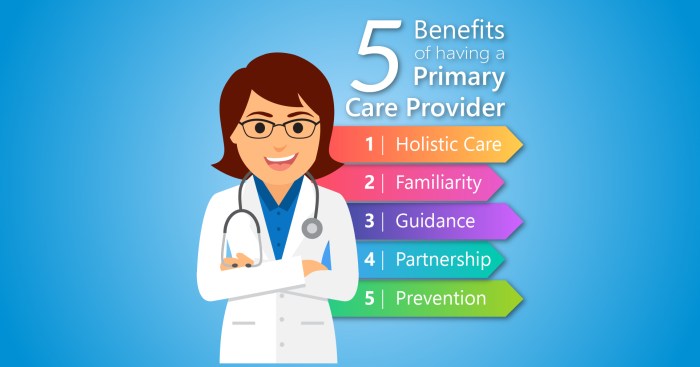
Having a dedicated primary care physician plays a crucial role in maintaining overall health by providing personalized and continuous care to patients. Primary care physicians act as a central point for managing healthcare needs, coordinating specialist referrals, preventive care, and chronic disease management.
The benefits of continuity of care with a dedicated primary care physician are numerous and contribute to improved health outcomes and patient satisfaction.
Role of a Primary Care Physician in Maintaining Overall Health
Primary care physicians are trained to address a wide range of health issues and provide comprehensive care to patients of all ages. They focus on preventive care, early detection of health conditions, and management of chronic diseases. By establishing a long-term relationship with a primary care physician, patients benefit from personalized care plans tailored to their unique health needs.
Examples of How a Primary Care Physician Acts as a Central Point for Managing Healthcare Needs
- Primary care physicians serve as the first point of contact for patients seeking medical care, offering initial assessments and treatment for various health concerns.
- They coordinate care between different healthcare providers, specialists, and facilities to ensure holistic and integrated healthcare services for patients.
- Primary care physicians emphasize preventive care measures such as screenings, vaccinations, and lifestyle modifications to promote overall well-being and disease prevention.
Benefits of Continuity of Care with a Dedicated Primary Care Physician
- Continuity of care with a primary care physician leads to better management of chronic conditions, as the physician is familiar with the patient's medical history and can provide personalized treatment plans.
- Patients who see the same primary care physician regularly are more likely to receive appropriate preventive care and screenings, leading to early detection of health issues.
- Establishing a long-term relationship with a dedicated primary care physician enhances communication, trust, and collaboration between the patient and the healthcare provider, resulting in improved health outcomes and patient satisfaction.
Personalized healthcare with a primary care physician
Having a dedicated primary care physician means receiving personalized healthcare that is tailored to your specific needs and medical history. Your primary care physician plays a crucial role in developing treatment plans that are unique to you, ensuring you receive the best possible care.
Development of Personalized Treatment Plans
Your primary care physician takes the time to understand your medical history, lifestyle, and preferences. This in-depth knowledge allows them to create personalized treatment plans that address your individual health concerns. By considering your unique circumstances, your primary care physician can recommend the most effective treatments and interventions for you.
Preventive Care Measures
Primary care physicians focus on preventive care to keep you healthy and detect any potential issues early on. They may recommend specific screenings, vaccinations, or lifestyle changes based on your risk factors and medical history. By proactively addressing health concerns, your primary care physician helps you maintain optimal health and well-being.
Advantages of In-Depth Medical History Knowledge
One of the key advantages of having a primary care physician is their comprehensive knowledge of your medical history. This deep understanding allows them to make informed decisions about your care, consider potential interactions between treatments, and track changes in your health over time.
With a primary care physician who knows you well, you can benefit from continuity of care and personalized recommendations that take your unique circumstances into account.
Coordination of care and referrals
Primary care physicians play a crucial role in coordinating care and referrals for their patients. They act as the main point of contact for all healthcare needs and work closely with specialists and other healthcare providers to ensure comprehensive and seamless care.One of the key responsibilities of a primary care physician is to coordinate care with specialists.
This involves communicating with specialists, sharing important medical information, and ensuring that all aspects of a patient's health are considered. For example, if a patient needs to see a cardiologist for a heart condition, the primary care physician will help facilitate the referral, provide relevant medical history, and coordinate follow-up care.In addition to coordinating care with specialists, primary care physicians also help navigate the healthcare system for referrals.
This includes determining which specialists or services are needed, finding the right providers, and scheduling appointments. By acting as a guide through the complex healthcare system, primary care physicians help ensure that their patients receive the appropriate care in a timely manner.Furthermore, having a dedicated primary care physician overseeing and managing different aspects of care is essential for optimal health outcomes.
They are able to take a holistic approach to healthcare, addressing not only specific health concerns but also focusing on preventive care, mental health, and overall well-being. By serving as the central hub for all medical needs, primary care physicians can better coordinate care, manage chronic conditions, and promote continuity of care for their patients.
Health maintenance and chronic disease management

Primary care physicians play a crucial role in managing chronic conditions effectively and promoting overall health and well-being. They focus on preventive care and health maintenance to help patients lead healthier lives.
Role in managing chronic conditions
Primary care physicians are trained to manage chronic diseases such as diabetes, hypertension, and asthma. They monitor these conditions regularly, adjust medications as needed, and coordinate care with specialists to ensure comprehensive treatment.
- Primary care physicians develop personalized treatment plans for patients with chronic conditions, taking into account their medical history, lifestyle, and preferences.
- They provide ongoing support and education to help patients better manage their conditions and prevent complications.
- By closely monitoring chronic diseases, primary care physicians can detect any changes or worsening symptoms early on, allowing for timely intervention.
Promoting healthy lifestyle choices
Primary care physicians emphasize the importance of healthy lifestyle choices in preventing chronic diseases and improving overall health outcomes.
- They counsel patients on nutrition, physical activity, stress management, and other lifestyle factors that can impact their health.
- Primary care physicians work with patients to set achievable health goals and provide guidance on making sustainable changes to their habits.
- By addressing risk factors and promoting healthy behaviors, primary care physicians empower patients to take control of their health and reduce the likelihood of developing chronic diseases.
Benefits of regular health screenings and preventive care
Primary care physicians offer a range of preventive services and health screenings to help detect potential health issues early on and prevent complications.
- Regular screenings for conditions such as high blood pressure, cholesterol levels, and cancer can help identify risk factors and allow for early intervention.
- Primary care physicians administer immunizations and vaccinations to protect against infectious diseases and keep patients healthy.
- Through preventive care measures, primary care physicians focus on early detection and prevention, ultimately reducing healthcare costs and improving outcomes for patients.
Long-term patient-physician relationship
Building a long-term relationship with a primary care physician offers numerous advantages to patients. The continuity of care over time fosters trust, familiarity, and a deeper understanding of the patient's medical history and needs, ultimately leading to better health outcomes.
Enhanced Trust and Familiarity
- Patients feel more comfortable discussing their health concerns, leading to more open and honest communication with their primary care physician.
- Trust in the physician's judgment and recommendations increases, allowing for better adherence to treatment plans and preventive care measures.
- Physicians who know their patients well can provide personalized care tailored to individual preferences and needs.
Improved Health Outcomes
- Long-term relationships enable early detection and proactive management of health issues, reducing the risk of complications and hospitalizations.
- Patients are more likely to follow through with recommended screenings, vaccinations, and lifestyle modifications when they have a trusted physician guiding them.
- Physicians can track changes in health status over time, making it easier to identify trends, adjust treatment plans, and prevent potential problems.
Quality of Healthcare Services
- Continuity of care ensures that medical records are up-to-date, accurate, and easily accessible, facilitating seamless coordination between healthcare providers.
- Patients benefit from a comprehensive approach to their care, with their primary care physician serving as a central point of contact for all their healthcare needs.
- Long-term relationships allow for the establishment of shared goals and long-term care plans, promoting better health management and disease prevention strategies.
Final Thoughts
In conclusion, the benefits of having a dedicated primary care physician extend far beyond just routine check-ups. They serve as pillars of support in navigating the complexities of healthcare, promoting wellness, and fostering long-lasting relationships built on trust and expertise.
Embracing the advantages of a primary care physician can truly transform the way you approach your health and well-being.
Answers to Common Questions
How does having a dedicated primary care physician benefit me?
Having a primary care physician ensures personalized healthcare, continuity of care, and proactive management of your health needs.
Can a primary care physician help me with managing chronic conditions?
Yes, primary care physicians play a key role in effectively managing chronic diseases through regular monitoring and treatment plans.
Why is a long-term patient-physician relationship important?
Building a long-term relationship with a primary care physician leads to better health outcomes, improved communication, and tailored care.





![Natural Remedies to Treat Crohn's and Colitis [Slideshow]](https://medic.infogarut.id/wp-content/uploads/2025/12/Best-Treatment-for-Crohns-Disease-Expert-Insights-120x86.jpg)