

Exploring the world of primary care physicians for family healthcare unveils a crucial aspect of medical practice that impacts the well-being of entire families. From managing day-to-day health concerns to fostering long-term relationships, primary care physicians play a pivotal role in ensuring the health and happiness of families.
Delving deeper into the qualifications, patient-physician relationships, and comprehensive care provided by these healthcare professionals, we discover a holistic approach to family healthcare that goes beyond mere treatment.
Importance of Primary Care Physicians for Family Healthcare
Primary care physicians play a crucial role in managing the overall health of families by providing continuous and comprehensive medical care. They serve as the first point of contact for individuals seeking healthcare services and are responsible for coordinating and integrating various aspects of healthcare for their patients.
Benefits of Having a Primary Care Physician for Family Healthcare
- Regular Check-ups: Primary care physicians help families stay on top of preventive care by scheduling regular check-ups and screenings, which can help detect potential health issues early.
- Personalized Care: Family physicians develop a long-term relationship with their patients, allowing them to provide personalized care tailored to the unique needs of each family member.
- Coordination of Care: Primary care physicians coordinate care with specialists and other healthcare providers to ensure that all aspects of a family's health are being addressed effectively.
- Management of Chronic Conditions: Family physicians are trained to manage chronic conditions such as diabetes, hypertension, and asthma, helping families navigate complex treatment plans and improve their quality of life.
Common Health Issues Addressed by Primary Care Physicians for Families
- Upper Respiratory Infections: Primary care physicians often treat common colds, flu, and other respiratory infections that affect family members of all ages.
- Minor Injuries: From cuts and bruises to sprains and strains, primary care physicians can provide treatment for minor injuries that occur within the family.
- Mental Health Concerns: Primary care physicians are equipped to address mental health issues such as anxiety, depression, and stress, offering support and referrals to mental health specialists when needed.
- Childhood Vaccinations: Family physicians play a key role in administering childhood vaccinations to protect young family members from preventable diseases.
Qualifications and Training of Primary Care Physicians
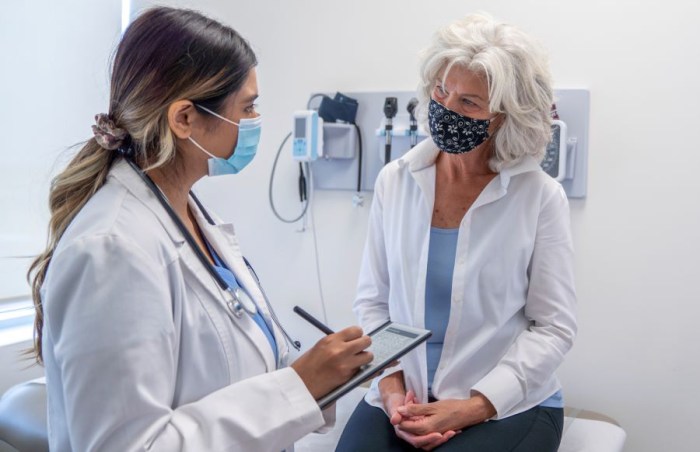
Primary care physicians undergo extensive education and training to effectively care for families. They are crucial in providing comprehensive and continuous healthcare to individuals of all ages.
Educational Requirements
- Completion of a bachelor's degree from an accredited institution
- Graduation from a medical school with a Doctor of Medicine (MD) or Doctor of Osteopathic Medicine (DO) degree
- Successful completion of a residency program in family medicine, internal medicine, or pediatrics
- Obtaining a state medical license to practice
Comparison with Specialists
Primary care physicians focus on general health and wellness of patients, while specialists concentrate on specific diseases or conditions. Specialists undergo additional training in a particular area of medicine, requiring completion of a fellowship after residency.
Skills Required for Family Care
- Strong communication skills to build relationships with patients and families
- Comprehensive knowledge of a wide range of medical conditions
- Ability to coordinate care between different healthcare providers
- Empathy and compassion in dealing with patients' emotional and physical needs
Patient-Physician Relationship in Family Healthcare

Building a strong patient-physician relationship in family healthcare is crucial for providing effective and comprehensive care to individuals of all ages. The bond between a primary care physician and their patients can have a significant impact on health outcomes, treatment adherence, and overall satisfaction with healthcare services.
Establishing Trust and Rapport
Primary care physicians work towards establishing trust and rapport with family members by actively listening to their concerns, showing empathy, and being accessible. By taking the time to understand the unique needs and preferences of each family member, physicians can create a supportive and collaborative environment where open communication is encouraged.
- Engaging in open dialogue: Primary care physicians foster trust by engaging in open and honest conversations with family members, addressing any questions or concerns they may have.
- Respecting cultural beliefs: Understanding and respecting the cultural background of each family member helps physicians build rapport and establish a more personalized approach to care.
- Providing continuity of care: By being a consistent point of contact for the entire family, primary care physicians can build long-lasting relationships based on trust and mutual respect.
Involving Families in Healthcare Decision-Making
In family healthcare, primary care physicians involve families in healthcare decision-making to ensure that the treatment plan aligns with the values and preferences of all individuals involved. This collaborative approach not only empowers families to take an active role in their health but also leads to better health outcomes and increased patient satisfaction.
- Shared decision-making: Primary care physicians engage families in shared decision-making processes, where treatment options are discussed, and decisions are made collaboratively based on the preferences and goals of each family member.
- Education and empowerment: By providing families with relevant information and resources, primary care physicians empower them to make informed decisions about their health and well-being.
- Respecting autonomy: Respecting the autonomy of each family member is essential in involving them in healthcare decision-making, ensuring that their values and preferences are taken into account throughout the decision-making process.
Comprehensive Care Provided by Primary Care Physicians
Primary care physicians play a crucial role in providing comprehensive care for families by offering a wide range of services that cater to the health needs of individuals of all ages. They focus on preventive care, early detection of health issues, and coordination of care for multiple family members.
Preventive Care in Family Medicine
Preventive care is a cornerstone of family medicine, aiming to keep patients healthy and prevent the onset of diseases. Primary care physicians emphasize the importance of regular check-ups, screenings, vaccinations, and lifestyle modifications to promote overall well-being.
- Primary care physicians conduct routine health assessments to identify risk factors and provide personalized recommendations for disease prevention.
- They offer counseling on healthy lifestyle choices, such as diet, exercise, and stress management, to help patients maintain optimal health.
- Through early detection and intervention, primary care physicians can address health issues before they escalate, leading to better health outcomes for family members.
Coordination of Care for Multiple Family Members
Primary care physicians play a vital role in coordinating care for multiple family members, ensuring continuity and quality in healthcare delivery.
- They maintain comprehensive medical records for each family member, allowing for a holistic approach to healthcare management.
- Primary care physicians facilitate communication between specialists, caregivers, and other healthcare providers involved in the care of family members.
- By understanding the unique dynamics and health concerns of each family member, primary care physicians can tailor treatment plans and referrals accordingly.
Closing Notes
In conclusion, primary care physicians stand as pillars of support for families, offering not just medical expertise but also compassion and continuity of care. By understanding the importance of these healthcare providers, families can navigate their health journeys with confidence and trust in the care they receive.
User Queries
What role do primary care physicians play in family healthcare?
Primary care physicians manage the overall health of families by providing preventive care, addressing common health issues, and coordinating care for multiple family members.
How do primary care physicians establish trust with family members?
Primary care physicians build trust by listening actively, being empathetic, and involving families in healthcare decision-making.
What services do primary care physicians offer for family healthcare?
Primary care physicians offer a range of services including preventive care, treatment for acute illnesses, chronic disease management, and coordination of care with specialists.
What are the educational requirements to become a primary care physician?
Individuals must complete a bachelor's degree, medical school, and a residency program in family medicine or internal medicine to become a primary care physician.
How do primary care physicians involve families in healthcare decision-making?
Primary care physicians involve families by discussing treatment options, explaining medical conditions in layman's terms, and considering the preferences and values of family members.




![Natural Remedies to Treat Crohn's and Colitis [Slideshow]](https://medic.infogarut.id/wp-content/uploads/2025/12/Best-Treatment-for-Crohns-Disease-Expert-Insights-120x86.jpg)