

Delving into the realm of Global Trends in Chronic Disease Management, we uncover the latest developments and strategies shaping healthcare worldwide. From technological advancements to innovative prevention methods, this topic offers a comprehensive view of the current landscape.
As we navigate through the intricate details of chronic disease management, we aim to shed light on key aspects that influence healthcare systems globally.
Definition of Chronic Diseases
Chronic diseases are long-lasting conditions that typically progress slowly over time, often with no definitive cure. These conditions require ongoing management and treatment to control symptoms and prevent complications. Unlike acute conditions, which are short-term and often resolve on their own or with treatment, chronic diseases persist for an extended period, sometimes for a lifetime.
Examples of Common Chronic Diseases Worldwide
- Diabetes: A metabolic disorder characterized by high blood sugar levels, which can lead to serious complications such as heart disease, stroke, and kidney failure.
- Hypertension: Also known as high blood pressure, this condition can increase the risk of heart disease, stroke, and other cardiovascular issues.
- Asthma: A chronic respiratory condition that causes inflammation and narrowing of the airways, leading to breathing difficulties.
- Arthritis: A group of conditions that affect the joints, causing pain, stiffness, and reduced mobility.
- Chronic obstructive pulmonary disease (COPD): A progressive lung disease that makes it difficult to breathe, often caused by long-term exposure to irritants such as cigarette smoke.
Impact of Chronic Diseases on Global Healthcare Systems
Chronic diseases place a significant burden on healthcare systems worldwide, leading to increased healthcare costs, reduced productivity, and a strain on resources. The management of chronic conditions requires long-term care, including regular doctor visits, medication, and lifestyle modifications, all of which contribute to the overall healthcare expenditure.
Moreover, chronic diseases can result in comorbidities and complications that further escalate healthcare costs and demand for services, making them a major public health concern.
Current Global Trends in Chronic Disease Management
Chronic diseases continue to be a significant challenge worldwide, prompting the need for innovative approaches to management and treatment. In recent years, several trends have emerged in the field of chronic disease management, reflecting advancements in technology and healthcare practices.
Utilization of Technology
Technology plays a crucial role in improving chronic disease management by enhancing patient care, monitoring, and treatment outcomes. Wearable devices, mobile applications, and remote monitoring systems allow healthcare providers to track patients' health status in real-time, enabling early intervention and personalized treatment plans.
- Wearable Devices: Devices like smartwatches and fitness trackers can collect vital health data such as heart rate, blood pressure, and physical activity levels, providing valuable insights for managing chronic conditions.
- Mobile Applications: Health apps enable patients to monitor their symptoms, medication adherence, and lifestyle habits, empowering them to take an active role in self-management.
- Remote Monitoring Systems: Telehealth platforms and remote monitoring tools facilitate virtual consultations and continuous monitoring of patients, especially beneficial for individuals with limited access to healthcare services.
Role of Telemedicine
Telemedicine has emerged as a key component in the treatment and monitoring of chronic conditions, offering a convenient and efficient way to deliver healthcare services remotely. Through telemedicine, patients can consult with healthcare providers, receive medical advice, and access necessary interventions without the need for in-person visits.
- Virtual Consultations: Telemedicine allows patients to receive consultations from healthcare professionals via video calls, ensuring timely access to care and reducing the need for physical appointments.
- Remote Monitoring: Healthcare providers can remotely monitor patients' vital signs, medication adherence, and overall health status, enabling proactive management of chronic diseases and early detection of potential complications.
- Educational Resources: Telemedicine platforms offer educational resources and self-management tools to empower patients in understanding their conditions and making informed decisions about their health.
Prevention Strategies for Chronic Diseases
Preventing chronic diseases is crucial for maintaining global health and reducing the burden on healthcare systems
Key Strategies for Preventing Chronic Diseases
- Regular physical activity: Engaging in regular exercise helps prevent obesity, diabetes, and cardiovascular diseases.
- Healthy diet: Consuming a balanced diet rich in fruits, vegetables, whole grains, and lean proteins can reduce the risk of chronic conditions.
- Avoiding tobacco and excessive alcohol consumption: Tobacco use and excessive alcohol intake are major risk factors for chronic diseases such as cancer and heart disease.
The Importance of Lifestyle Modifications in Preventing Chronic Conditions
Lifestyle modifications, such as maintaining a healthy weight, managing stress, and getting enough sleep, are essential in preventing chronic diseases. These changes can significantly impact an individual's risk of developing conditions like diabetes, hypertension, and stroke.
The Impact of Public Health Initiatives on Reducing the Burden of Chronic Diseases
Public health initiatives, such as vaccination programs, tobacco control policies, and health education campaigns, play a crucial role in reducing the burden of chronic diseases. These initiatives aim to promote healthy behaviors, improve access to healthcare, and prevent the onset of chronic conditions at a population level.
Global Challenges in Chronic Disease Management
Chronic diseases pose a significant burden on healthcare systems worldwide, leading to various challenges in their management. These challenges range from inadequate access to healthcare services to the economic impact of ineffective management strategies.
Disparities in Access to Healthcare
- Low-income populations in developing countries often face barriers in accessing essential healthcare services for chronic disease management.
- Rural areas may lack adequate healthcare facilities and trained healthcare professionals, further exacerbating disparities in access.
- Minority populations in some regions may experience discrimination or cultural barriers that hinder their ability to receive proper care for chronic conditions.
Economic Implications of Ineffective Management
- Uncontrolled chronic diseases can lead to increased healthcare costs due to frequent hospitalizations, emergency room visits, and expensive treatments.
- Loss of productivity and income among individuals with chronic conditions can have a negative impact on the overall economy of a country.
- The financial burden of chronic diseases can strain healthcare budgets and limit the allocation of resources to other critical areas of public health.
Summary
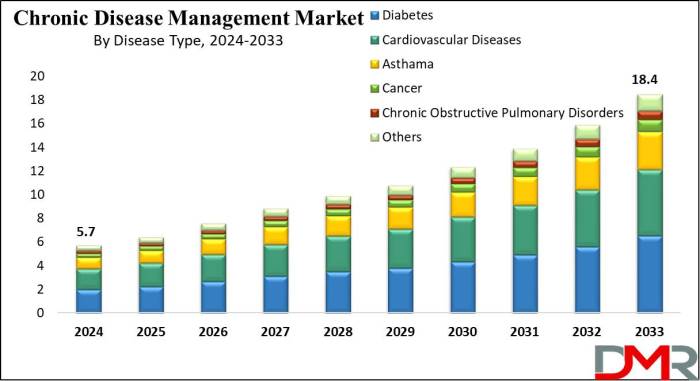
In conclusion, Global Trends in Chronic Disease Management paint a complex yet hopeful picture for the future of healthcare. By addressing challenges, embracing new technologies, and prioritizing prevention, we pave the way for improved outcomes and quality of life on a global scale.
Essential Questionnaire
What are some common chronic diseases worldwide?
Common chronic diseases include diabetes, heart disease, cancer, and respiratory conditions.
How is technology being used to improve chronic disease management?
Technology is utilized for remote monitoring, personalized treatment plans, and data analysis to enhance chronic disease management.
What role does telemedicine play in treating chronic conditions?
Telemedicine allows for virtual consultations, remote patient monitoring, and improved access to healthcare for chronic disease management.





![Natural Remedies to Treat Crohn's and Colitis [Slideshow]](https://medic.infogarut.id/wp-content/uploads/2025/12/Best-Treatment-for-Crohns-Disease-Expert-Insights-120x86.jpg)