

Primary care physician online consultations open doors to a new era of healthcare delivery, revolutionizing the way patients interact with their healthcare providers. As technology continues to advance, the convenience and accessibility of virtual consultations are reshaping the healthcare landscape.
Let's dive into the intricacies of this innovative approach and uncover the myriad benefits it offers.
In this comprehensive guide, we will explore the various aspects of primary care physician online consultations, from communication and relationship building to technology and telehealth platforms, insurance coverage, legal considerations, effectiveness, and patient satisfaction.
Introduction to Online Consultations with Primary Care Physicians
Online consultations with primary care physicians refer to virtual appointments where patients can consult with their healthcare providers remotely through video calls, phone calls, or secure messaging platforms. This innovative approach to healthcare delivery offers numerous benefits to patients, especially in today's digital age.
Benefits of Online Consultations for Patients
- Convenience: Patients can receive medical advice and treatment from the comfort of their homes, eliminating the need to travel to a clinic or hospital.
- Accessibility: Online consultations make healthcare more accessible to individuals in remote areas or those with mobility issues.
- Time-saving: Patients can avoid long wait times in crowded waiting rooms and receive timely care from their primary care physician.
- Cost-effective: Online consultations can be more affordable than in-person visits, as they eliminate transportation costs and reduce the need for childcare or time off work.
- Continuity of care: Patients can maintain regular contact with their primary care physician, leading to better management of chronic conditions and preventive care.
Growing Trend of Virtual Healthcare Services
Virtual healthcare services have been on the rise in recent years, fueled by advancements in technology and the increasing demand for convenient healthcare options. According to a report by McKinsey, telehealth visits surged by 50% in 2020 alone, demonstrating the growing popularity of online consultations among patients and healthcare providers alike.
This trend is expected to continue as telemedicine becomes more integrated into mainstream healthcare delivery models.
Accessibility and Convenience
Online consultations with primary care physicians greatly improve access to healthcare services for individuals. Patients can easily connect with their doctors from the comfort of their homes, eliminating the need to travel long distances or wait in crowded waiting rooms.
Improved Access to Care
- Patients in rural or remote areas can now have access to primary care physicians without the need to travel long distances.
- Individuals with mobility issues or disabilities find it more convenient to consult with their doctors online, avoiding the challenges of transportation.
- Busy individuals with hectic schedules can schedule appointments at their convenience, without disrupting their work or daily routines.
Communication and Relationship Building
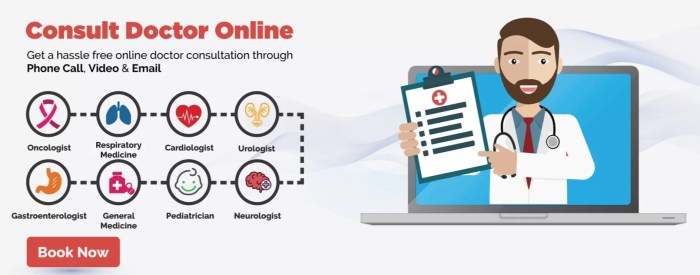
Effective communication and relationship building are crucial components of successful healthcare interactions, whether in person or online. In the context of online consultations with primary care physicians, the dynamics of doctor-patient communication can be both similar and different compared to traditional face-to-face visits.
Impact of Online Consultations on Doctor-Patient Communication
Online consultations can impact doctor-patient communication by introducing a new layer of technology-mediated interaction. While the core principles of effective communication remain the same, healthcare providers must adapt to the virtual environment to ensure clear and empathetic communication. Factors such as internet connectivity, audio/video quality, and non-verbal cues can influence the quality of communication during online consultations.
- Utilizing secure and user-friendly telemedicine platforms can enhance the communication experience for both doctors and patients.
- Active listening skills, clear explanations, and empathy are essential for fostering a trusting doctor-patient relationship in virtual consultations.
- Encouraging patients to ask questions and express their concerns openly can help bridge the communication gap inherent in online interactions.
Strategies for Building a Strong Doctor-Patient Relationship Virtually
Building a strong doctor-patient relationship virtually requires intentional efforts to establish trust, empathy, and effective communication. Here are some strategies that can help enhance the doctor-patient relationship in online consultations:
- Establishing clear expectations regarding the online consultation process, including scheduling, communication channels, and follow-up procedures.
- Personalizing the interaction by addressing the patient by name, actively listening to their concerns, and demonstrating empathy and understanding.
- Ensuring confidentiality and data security to maintain patient trust and confidentiality in virtual healthcare interactions.
Effectiveness of Virtual Communication vs. In-Person Visits in Primary Care Settings
The effectiveness of virtual communication versus in-person visits in primary care settings can vary based on the specific healthcare needs of the patient and the nature of the medical condition being addressed. While in-person visits offer the advantage of physical examination and immediate hands-on care, virtual consultations can provide convenience, accessibility, and cost savings for patients.
It is essential to strike a balance between virtual and in-person healthcare interactions to optimize patient outcomes and satisfaction.
Technology and Telehealth Platforms
Online consultations with primary care physicians rely on various technologies to facilitate seamless communication and interaction between healthcare providers and patients. These technologies play a crucial role in ensuring the delivery of quality healthcare services in a virtual setting.
Telehealth Platforms
Telehealth platforms serve as the virtual space where primary care physician online consultations take place. These platforms are designed to provide a secure and user-friendly environment for patients to connect with their healthcare providers remotely. Some examples of telehealth platforms commonly used for online consultations include:
- Amwell: A telehealth platform that offers video visits with primary care physicians, specialists, and other healthcare professionals.
- MDLIVE: A platform that provides access to board-certified doctors for online consultations and treatment.
- TeleDoc: A telehealth service that connects patients with primary care physicians for virtual visits and medical advice.
Data Security and Privacy
Data security and privacy are paramount in online healthcare services to protect patients' sensitive information and ensure compliance with healthcare regulations. When engaging in online consultations with primary care physicians, it is essential to prioritize the following aspects:
- End-to-end encryption: Telehealth platforms should use encryption protocols to safeguard the confidentiality of communication between patients and healthcare providers.
- Secure data storage: Patient data should be stored securely and accessed only by authorized personnel to prevent unauthorized breaches.
- Compliance with regulations: Telehealth platforms must adhere to healthcare regulations such as HIPAA to maintain patient privacy and confidentiality.
Insurance Coverage and Legal Considerations

When it comes to online consultations with primary care physicians, insurance coverage and legal considerations play a crucial role in ensuring patient access to quality healthcare services. Let's delve into the details of insurance coverage and legal implications surrounding virtual healthcare services and how telehealth laws impact online primary care consultations.
Insurance Coverage for Online Consultations
- Many insurance companies now cover online consultations with primary care physicians, especially in light of the COVID-19 pandemic.
- Insurance coverage for virtual healthcare services may vary depending on the type of insurance plan and the specific telehealth services offered by the provider.
- Patients are advised to check with their insurance providers to determine the extent of coverage for online consultations with primary care physicians.
Legal Implications and Regulations
- There are specific laws and regulations governing the provision of virtual healthcare services, including online consultations with primary care physicians.
- Healthcare providers must adhere to state and federal regulations to ensure compliance with telehealth laws and protect patient privacy and confidentiality.
- Licensing requirements for healthcare providers offering online consultations may vary from state to state, so it is essential to be aware of the legal implications in different jurisdictions.
Impact of Telehealth Laws
- Telehealth laws have facilitated the expansion of online primary care consultations, making healthcare more accessible to patients, especially those in remote or underserved areas.
- These laws have helped streamline the delivery of virtual healthcare services, allowing for efficient and effective communication between patients and primary care physicians.
- Telehealth laws also address issues related to reimbursement and coverage for online consultations, ensuring that patients have access to quality care regardless of their location.
Effectiveness and Patient Satisfaction
Online consultations with primary care physicians have shown promising results in terms of effectiveness and patient satisfaction. Studies have indicated that virtual healthcare services provided by primary care physicians can lead to improved health outcomes and increased access to care for patients.
Additionally, many patients have reported high levels of satisfaction with the convenience and efficiency of online consultations.
Effectiveness of Online Consultations
- Research studies have shown that online consultations with primary care physicians can lead to timely diagnosis and treatment of various medical conditions.
- Patients with chronic diseases have reported better management of their conditions through regular virtual visits with their primary care physicians.
- Telehealth platforms have enabled primary care physicians to provide continuous care and support to their patients, leading to improved overall health outcomes.
Patient Satisfaction with Virtual Healthcare
- Surveys have indicated that a significant number of patients prefer online consultations due to the convenience of scheduling appointments and avoiding long wait times at traditional healthcare facilities.
- Patients appreciate the ability to consult with their primary care physicians from the comfort of their homes, reducing the need for travel and time off work.
- Feedback from patients has highlighted the positive impact of virtual healthcare on building stronger relationships with their primary care physicians.
Challenges and Limitations
- Some patients may face technological barriers, such as a lack of access to reliable internet connection or unfamiliarity with telehealth platforms, impacting their ability to participate in online consultations.
- Privacy concerns regarding the security of personal health information shared during virtual visits can also be a challenge for patients considering online consultations.
- In certain cases, patients may feel that the lack of physical examination during online consultations limits the effectiveness of the diagnosis and treatment provided by primary care physicians.
Closure
In conclusion, primary care physician online consultations represent a significant step towards a more patient-centric and efficient healthcare system. By embracing the digital age, both patients and healthcare providers stand to benefit from the convenience, accessibility, and effectiveness of virtual consultations.
As we continue to navigate the evolving landscape of telehealth, the future looks promising for primary care services delivered online.
FAQ Compilation
How do online consultations with primary care physicians work?
Patients can connect with their primary care physicians through secure telehealth platforms, where they can discuss their medical concerns, receive diagnoses, and even get prescriptions without visiting a physical clinic.
Are online consultations covered by insurance?
Insurance coverage for online consultations varies by provider and plan. It's essential to check with your insurance company to understand what services are included in your coverage.
What are the benefits of virtual communication with primary care physicians?
Virtual communication allows for quick access to healthcare professionals, eliminates the need for travel, and provides a convenient way to seek medical advice from the comfort of your home.
Can online consultations replace traditional in-person visits completely?
While online consultations offer great convenience, they may not entirely replace the need for in-person visits, especially for physical examinations or more complex medical issues that require hands-on assessment.
How secure are telehealth platforms for online consultations?
Telehealth platforms prioritize data security and privacy to ensure that patient information remains confidential. They use encryption and secure connections to protect sensitive data shared during consultations.






![Natural Remedies to Treat Crohn's and Colitis [Slideshow]](https://medic.infogarut.id/wp-content/uploads/2025/12/Best-Treatment-for-Crohns-Disease-Expert-Insights-120x86.jpg)